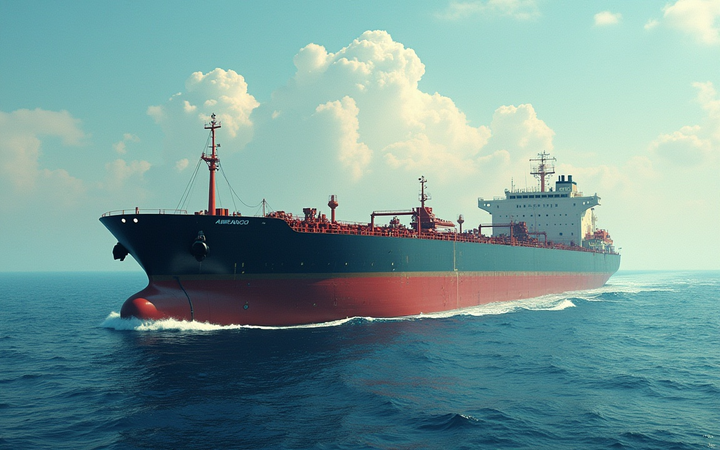
At least a dozen tankers, all loaded with Venezuelan crude and refined fuel, left the ports of the country in dark mode over the past days, tracking service TankerTrackers.com has reported.
They seemed to move despite a hard US blockade, which had only increased pressure on the nation’s oil sector before the ousting of the exiled president, Nicolas Maduro.
Every single vessel that was identified as having departed was already sanctioned by the US, TankerTrackers. com showed.
The development is significant as it follows a period in which Venezuela’s maritime activity had been almost frozen, with tankers unable to load and leave with oil cargoes for weeks.
Apart from the vessels loaded with crude oil, a second group of sanctioned vessels also sailed from inside the Venezuelan waters recently with no ballast.
The monitoring data showed that these ships had emptied imports or domestic transport trips before returning empty.
Blockade strains: exports and storage
The departures may provide some relief to Venezuela’s state-run oil corporation, PDVSA, which had accumulated a considerable volume of floating storage as a result of the US blockade.
The regulations, which began last month, effectively halted the country’s oil exports by prohibiting tankers from travelling freely and discouraging buyers and shippers from dealing with sanctioned boats.
With shipments halted, oil gathered offshore in tankers unable to sail, putting additional logistical and financial strain on PDVSA.
Venezuela’s main source of revenue is oil exports; the protracted disruption has a significant impact on the whole economy and national finances.
The latest developments suggest that at least some of the obstacles are being reduced; however, the overall export outlook remains uncertain due to ongoing restrictions and enforcement issues.
New government faces revenue needs.
A temporary government, led by Vice President and Oil Minister Delcy Rodriguez, will rely on oil revenues to fund public spending and maintain domestic stability.
With few options for generating large-scale revenue, the ability to export petroleum and fuel is a top priority for the new government.
If the tanker departures continue, they might assist in lowering the amount of oil kept in floating storage, thereby restoring PDVSA’s limited cash flow.
However, the long-term effects will be determined by whether such movements can continue without resulting in additional enforcement proceedings.
Uncertainty over compliance
It was unclear if the withdrawals were in direct disobedience of US regulations or within an allowed framework.
President Donald Trump said over the weekend that an oil embargo on Venezuela was completely in effect.
At the same time, he stated that under the upcoming transition, Venezuela’s main consumers, notably China, would continue to get oil.
That approach emphasises the ambiguity around enforcement and exclusions, raising concerns about how tightly the blockade will be implemented in practice.
For the time being, recent ship movements show the fluid and precarious status of Venezuela’s oil exports, as sanctions, political change, and economic necessity combine.
The post Venezuelan oil tankers slip out amid US blockade pressure: report appeared first on Invezz
